23. Oktober 2026
A User Guide to “Musik Matters”: Understanding and Organizing Tango
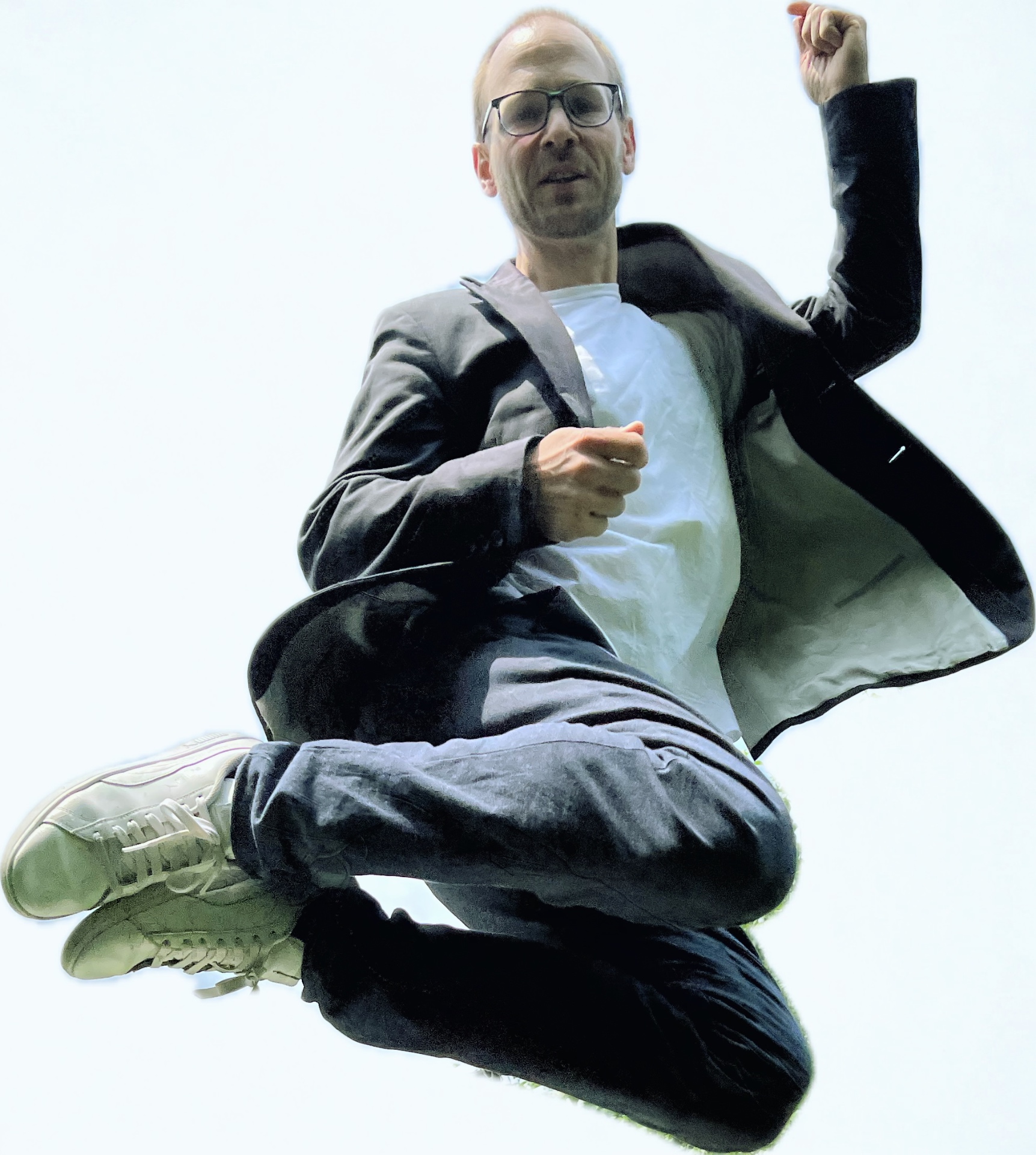
Pekka
You are reading an automatic translation. Original language: Deutsch.
Many of us spend years learning steps, turns, and axes—while barely half-listening to the music at the Milonga. I often catch myself doing the same; you can't always think of everything at once. But when you start getting curious about the music, you might have no idea where to even begin. And if you’ve ever toyed with the idea of DJing a few Tandas yourself, you suddenly run into a wall of jargon, sacred rules, and DJs who turn it into rocket science.
That's exactly why we created the Musik Matters section on our website.
The goal is simple:
Lower the barriers: I want to make it effortless for all dancers here in Münster to organize music themselves—and take the next step to try DJing firsthand.
Dance better through understanding: You can discover what is actually playing in a relaxed, easy-to-digest way—even if you have no intention of ever stepping behind a DJ booth. When you understand the music, you dance with much more joy and ease.
New: The Hands-on Walkthrough Video (with a Tiny Audio Glitch)
Right at the top of the page, you'll now find a box with a video link. In it, I share my screen live and guide you step by step through building a Tanda and a music sequence based on the articles.
A quick confession: During recording, two microphones were accidentally active at the same time. There's a bit of an echo in places, but the content and workflow come across clearly, saving you hours of guesswork.
The Core Takeaways at a Glance
To save you from aimless scrolling, here’s a guide through the most important posts. This is an overview of the articles in the Musik Matters section (which you can access by clicking on “MM” at the top of this page):
1. Why Almost Everything Comes from 1935–1946 (“The Golden Decade”)
It’s no accident that almost every Milonga plays tracks from these exact years on repeat. During that era, tango in Buenos Aires (and Montevideo) truly blossomed. What really matters, though, is recognizing the two primary styles:
Tango Milonguero (1935–1942): Here, rhythm reigns supreme. Juan D'Arienzo virtually revived tango back then—with a driving pulse, a crisp beat, and irresistible momentum. This music gives you pure energy.
Tango Salón (1942–1946): This style turns melodic, softer, more lyrical, and nuanced (e.g., Carlos Di Sarli, Aníbal Troilo).
Good to know: This melodic Salón style didn't suddenly vanish in 1946—certain orchestras like Di Sarli or Osvaldo Pugliese brilliantly carried it forward well into the 1950s.
2. Alternating Rhythm and Melody
Rhythmic and melodic Tandas work best when alternating. That’s especially true for evenings with a crowded floor. If you want to listen to endless Di Sarli at home, or play a single Biagi track for a week straight (as is strangely the case for me right now with “Andrajos”), that’s a different story. At a Práctica or Milonga, you have to cater to varied tastes. After 10 to 12 minutes of rhythm-heavy energy (Milonguero phase, 1935–1941), both “melodic” and “rhythmic” dancers usually have recharged enough energy to embrace the rich melodies of Tango Salón (from 1942 onward).
3. How to Build a Clean Tanda
A Tanda consists of 3 or 4 tangos (or 3 valses / Milongas). The rule of thumb: same orchestra, same era, same singer. In the article “How Do I Put Together a Tanda?”, you’ll learn how tracks build upon one another (from a clear opening to a dramatic finale) and why the Cortina in between is so essential for clearing the dance floor.
4. Essential Orchestras & Playlists for Immediate Listening
In “Your First Tandas” and “Three More Orchestras”, we introduce the cornerstone figures: rhythmic powerhouses like D’Arienzo and Biagi, melodic giants like Di Sarli and Caló, and versatile all-rounders like Troilo or Canaro. For each, you’ll find ready-made Tandas and direct Spotify links to listen to right away and copy!
5. Software & Tools
You don't need to buy expensive DJ software. In the tech article, we list the free and affordable programs we DJs in Münster actually use day-to-day to organize our music files—and where you can purchase high-quality tango tracks.
Just Give It a Try!
Head over to Musik Matters, check out the video, and give an orchestra or two a close listen. And if you’d love to play your very first Tanda at a Práctica: just come talk to me next time you see me. You can contribute a Tanda or curate the music for a while at a dance event. That’s exactly what this is all about.
Kommentare
Lädt…